
Pets

Brown Bush Hog - Variant of Bush Hog (Autumn)
As temperatures drop at the beginning of winter, a bush hog's coat and leaves will darken into a deep brown color. They will then completely shed their leaves at the end of winter.


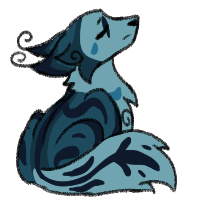

Stink Bomb (Autumn)
This animal's diet causes it to build up a gas in its body. It slowly secretes this gas out for many reasons, such as marking territory or to ward off predators. If it feels like it's in grave peril, it will release all of its built up gas at once and flee, hence its name. The pungent explosion can linger for awhile.

Crystalized Bush Hog - Variant of Bush Hog (Autumn)
A very rare varient of the Bush Hog. They are shrouded in mystery, as only a few have ever been seen. Researchers are still looking into how and why crystals formed on their backs.

Orange Leaf Bug - Variant of Leaf Bug (Autumn)
As Autumn reaches its later stages, warmer-colored Leaf Bugs become more prominent as their green counterparts begin to go into hiding.

Green Bush Hog - Variant of Bush Hog (Autumn)
When summer comes, a bush hog's leaves darken and their flowers disappear.

Scurryon (Autumn)
These guys can be found basically anywhere, from urban areas to forests. They steal their food right under the noses of unsuspecting prey, which may be you. Keep a tight grip on your sandwich if you cross paths with one.


Blooming Bush Hog - Variant of Bush Hog (Autumn)
The flowers on their back bloom with the coming of spring!

Taxidoa (Autumn)
The Taxidoa is only seen through the cold months of the year, hibernating during Spring and Summer. They can often be found snuffling around for berries, or jumping in piles of leaves.

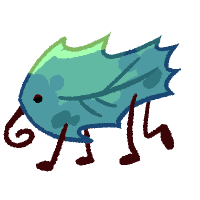
Leaf Bug (Autumn)
During Autumn, these harmless bugs can be found practically anywhere and in abundance, though they're not commonly spotted due to blending in immensely well with fallen leaves. Their incredibly flat bodies, curly proboscis, and oddly large feet will often make them the laughing stock of whoever comes across them.
As Autumn reaches its later stages, warmer-colored Leaf Bugs become more prominent as their green counterparts begin to go into hiding.
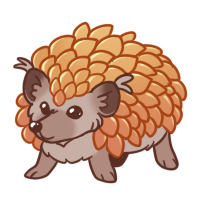
Bush Hog (Autumn)
Their leaves change color with the seasons; they shed them at the end of winter and new ones grow in their place in spring. They're welcome guests in gardens as they make for natural pest control.
The flowers on their back bloom with the coming of spring!
As temperatures drop at the beginning of winter, a bush hog's coat and leaves will darken into a deep brown color. They will then completely shed their leaves at the end of winter.
When summer comes, a bush hog's leaves darken and their flowers disappear.
A very rare varient of the Bush Hog. They are shrouded in mystery, as only a few have ever been seen. Researchers are still looking into how and why crystals formed on their backs.